

As a marketing executive, I often find myself at the center of conversations about new technology. Marketing is one of the most cross-functional areas in any organization as it touches sales, operations, HR, and leadership. That means I am often the point of contact when new tools or platforms are introduced, because they impact the entire customer journey and how we work together internally.
In my experience with start-ups and high-growth organizations, I’ve often been the one leading change by helping teams embrace new systems, shift processes, and think differently about how technology can support our goals. I’ve seen it done well, where adoption feels natural and empowering. But I’ve also seen the other side: where resistance, fear, or cultural misalignment derail even the most promising initiatives.
That’s why I want to put out a message about AI. Right now, every organization is being challenged to not just adopt AI, but to upskill employees in how to use it responsibly and effectively. And if we don’t take a human-centric approach, the risks are real.
Culture Shapes AI Adoption
The culture of an organization is the single biggest factor in whether AI upskilling succeeds. Start-ups may embrace AI quickly because experimentation is already part of their DNA. Established organizations, on the other hand, may wrestle with tradition, hierarchy, and old processes. Leaders must recognize these cultural realities and adapt their approach accordingly.
Address the Fears
AI resistance is rarely about the tool itself; it’s about the human fears that come with it. Employees worry about job security, bias, environmental impacts, and what AI means for the future of their profession. If those fears aren’t acknowledged directly, employees can’t develop the growth mindset needed to learn and use AI effectively. Without that mindset, any upskilling initiative is essentially DOA.
Learn From the Social Media Era
We’ve already lived through a technology wave that reshaped how we live and work, hello social media. It promised connection, but we’re still dealing with the consequences of misinformation, over-use, and impacts on mental health. AI presents even greater opportunities, but also greater risks such as over-dependence, lack of human oversight, and even DIY mental health treatment via chatbots. We can’t afford to ignore these risks when building AI literacy, especially for kids and young employees entering the workforce.
Leading With Humanity
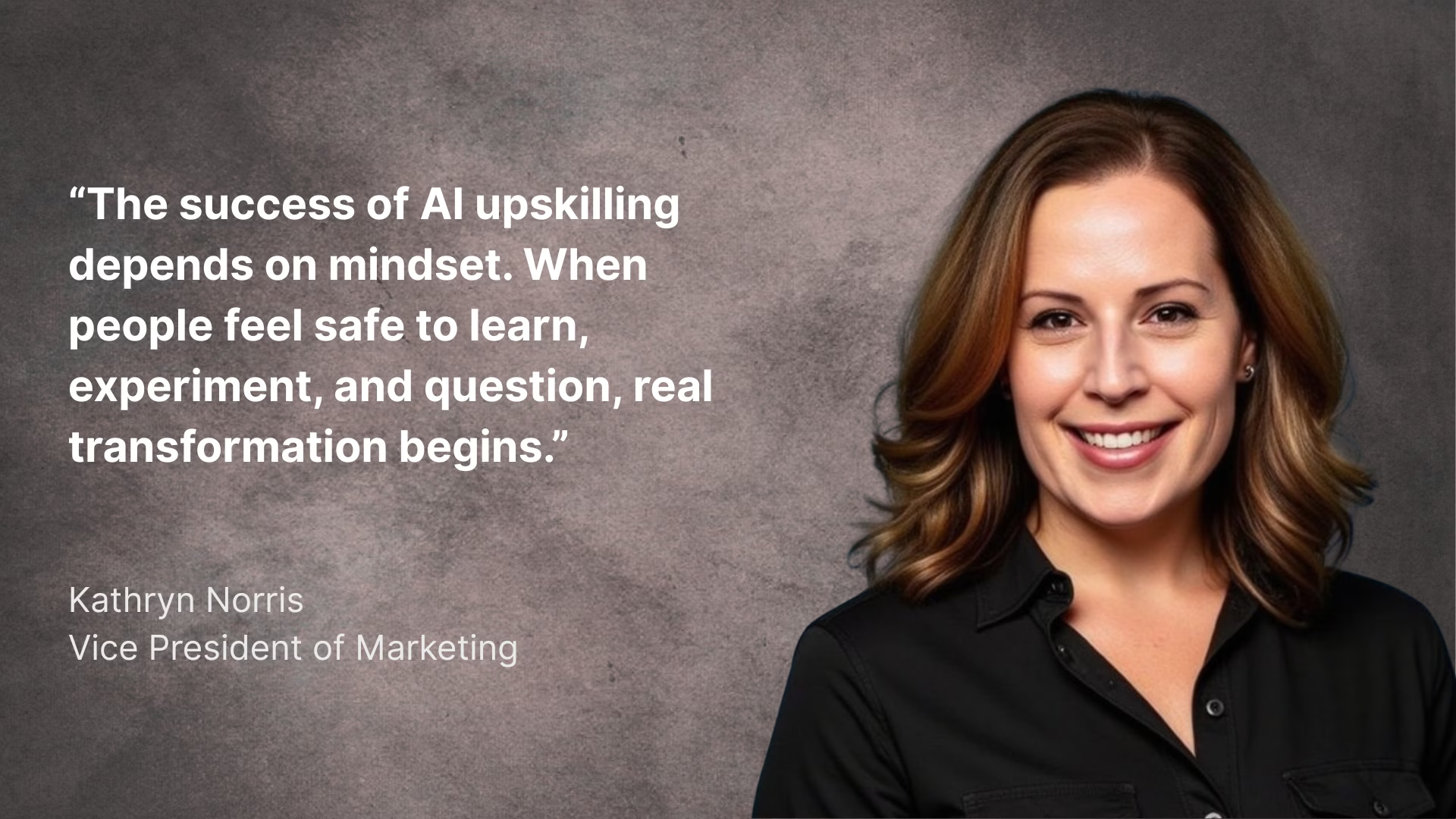
As leaders, we need to remember that AI is not just a technical challenge, it’s a human one. Building AI literacy means more than learning prompts or platforms. It means creating environments where employees feel safe to ask questions, try new approaches, and understand both the potential and the limits of AI.
I’ve seen how powerful it can be when an organization embraces technology in a way that’s aligned with its people. And I’ve also seen how damaging it can be when fear, resistance, or miscommunication get in the way.
The takeaway is simple: AI is here, but humans must remain at the center. If we lead with empathy and adaptability, we can unlock the best of what AI has to offer without repeating the mistakes of the past.
If you would like to participate in this conversation, join MCG Partners and Benson Executive Search early 2026 at the Langham Hotel in Boston for an exclusive CEO and CHRO forum exploring how talent and technology intersect to shape the future of leadership. Stay tuned for more details.